
Alternatives to Traditional Book Binding: Professional In-House Solutions
May 25th 2026
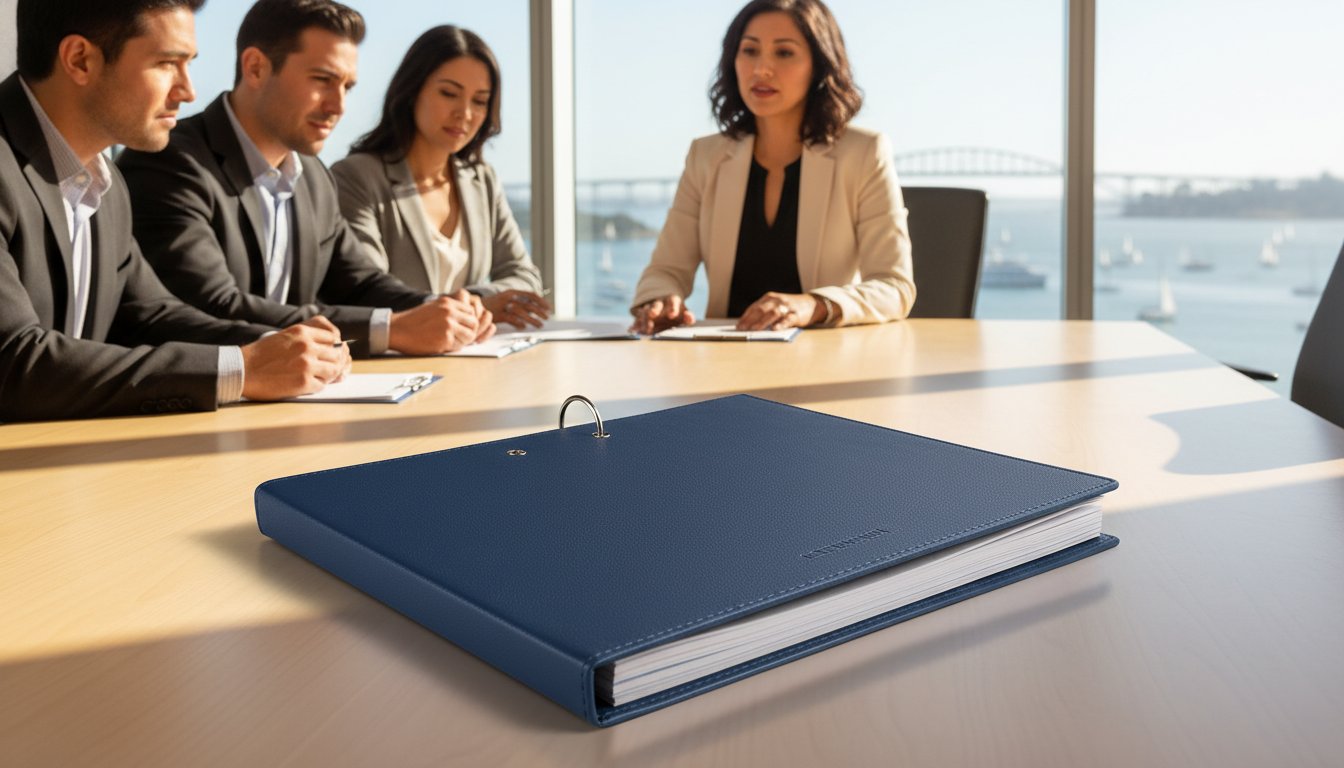
A standard staple doesn't just hold paper together; it tells your client exactly how much you value their time. If you've ever handed over a critical proposal only to watch the pages struggle to stay open, you know that the physical presentation is just as important as the data inside. Finding reliable alternatives to traditional book binding is no longer about settling for less. It's about taking control of your brand's tactile identity. You shouldn't have to choose between the high cost of artisan binding and the unprofessional look of a basic clip.
Most professionals agree that a document should be as durable as it is beautiful, especially when it needs to lie flat during a technical demonstration. You'll discover how modern mechanical solutions deliver high-end results with the efficiency your schedule demands. We'll show you how to utilize professional equipment like the Akiles CoilMac-M or the GBC CombBind C800pro to create polished, in-house documents. This article previews the best tools and materials, from Plastic Spiral Binding Coils to Regency Composition Covers, ensuring your next report leaves a lasting impression of quality and organized efficiency.
Key Takeaways
- Understand why modern mechanical alternatives to traditional book binding provide the speed and flexibility needed for high-stakes deadlines without sacrificing durability.
- Compare the structural benefits of plastic spiral and twin loop wire to ensure your manuals and reports deliver a premium, lie-flat tactile experience.
- Identify the specific binding hardware and supply combinations that best match your project's page volume and intended frequency of use.
- Learn how to use professional materials like Regency leatherette covers and clear acetate overlays to establish immediate authority and protect your work.
- Streamline your in-house production by selecting the right mechanical punching and binding systems to achieve consistent, reliable results for every presentation.
Beyond the Hardcover: Why Professionals Seek Binding Alternatives
Traditional Bookbinding is an established craft defined by methods like Smyth sewing, case binding, and artisan hand-stitching. These techniques produce beautiful, permanent volumes, yet they often conflict with the pace of a modern corporate office. While hardcover binding remains a significant industry, it only accounts for about 35% of total market revenue as of 2026. This means the majority of professional documents now rely on more flexible, accessible methods. If you've ever waited weeks for a boutique bindery to return a project, you understand why organizations are searching for alternatives to traditional book binding. Mechanical binding has become the professional standard because it offers a polished look without the logistical delays of artisan production.
The primary driver for this shift is the need for functional versatility. A high-stakes proposal or a technical manual shouldn't just look good; it needs to work. Traditional methods often prioritize permanence over usability, which can be a disadvantage in a business setting where information changes rapidly. By moving toward mechanical solutions, you gain the ability to produce high-quality, durable documents that meet specific professional requirements, such as the ability to lie flat on a desk or allow for easy page updates. This transition transforms document preparation from a slow, outsourced service into a streamlined in-house process.
The Problem with Traditional Artisan Binding
Artisan methods typically involve "signatures," which are large sheets of paper folded into groups before being sewn together. This complex structure makes it nearly impossible to update a single page without destroying the entire bind. Many adhesive-based traditional binds also struggle with "lay-flat" functionality. If your client needs to keep a report open during a meeting, a book that constantly snaps shut creates a subtle but real point of friction. Traditional case binding is excellent for a library shelf, but it lacks the adaptability required for daily professional use and rapid distribution.
The Rise of Professional In-House Finishing
Modern equipment now allows San Diego firms to bypass the long lead times of commercial print shops. Using a high-capacity system like the Rhin-O-Tuff Onyx HD7700 or a versatile manual punch like the Akiles CoilMac-M, your team can finish documents on demand. This in-house capability ensures that the tactile quality of your presentation matches the caliber of your data. When you pair a precision punch with Regency Composition Covers or Clear Acetate Covers, the result is a document that feels substantial and authoritative. It's a method that values both the craftsmanship of the assembly and the practical need for document durability in a fast-paced environment.
The Top 4 Mechanical Alternatives for Professional Documents
Selecting a binding method is about more than just keeping pages together; it's about defining the document's utility. While traditional methods rely on sewing and adhesives, mechanical systems use precision-punched holes and specialized fasteners to secure your work. These primary types of mechanical binding provide the speed and structural integrity that modern offices require. By shifting to these alternatives to traditional book binding, you ensure your presentations are both functional and visually striking. Whether you're producing a 400-page technical manual or a sleek ten-page proposal, there's a specific mechanical solution designed for the task.
Each method offers distinct tactile benefits. Some prioritize the ability to flip pages completely around, while others focus on a permanent, tamper-resistant finish. Understanding these technical nuances allows you to choose the right professional binding equipment for your specific workflow. This choice directly impacts how your audience interacts with your content and how they perceive your brand's attention to detail.
Plastic Coil: Flexibility and Durability
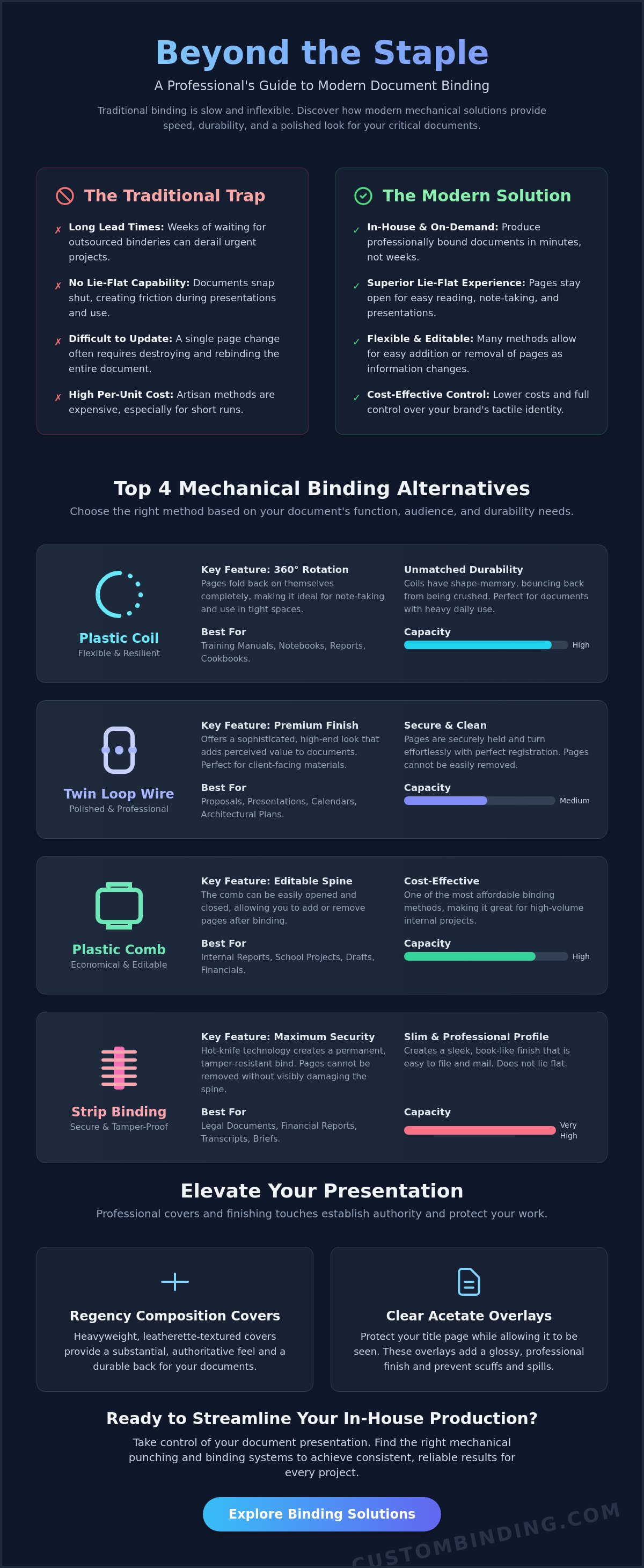
Plastic Spiral Binding Coils are often the most practical choice for documents that see heavy daily use. This method allows for 360-degree rotation; the pages can fold back on themselves without damaging the spine. Unlike metal alternatives, plastic coils have a "memory" that allows them to bounce back if crushed or stepped on. This makes them ideal for training manuals or field guides. Using a machine like the Akiles CoilMac-M ensures that the pitch of the holes is consistent, resulting in a smooth, effortless page turn every time.
Twin Loop Wire: The Executive Standard
Twin Loop Binding Wire is the preferred choice for high-end corporate reports and financial statements. It offers a sophisticated, metallic aesthetic that signals authority and permanence. Wire binding is non-editable; once the loops are closed, pages cannot be added or removed without destroying the bind. This provides a level of security that legal firms value. You'll typically choose between a 3:1 pitch ratio for documents up to 9/16 of an inch and a 2:1 pitch ratio for thicker volumes. This precision ensures the wire matches the scale of your project perfectly.
Plastic Comb and Thermal Options
Plastic comb binding remains a classic solution for internal documents that require frequent updates. With a machine like the GBC CombBind C800pro, you can easily open the comb to swap out outdated pages. If you prefer a "published" bookstore look, thermal binding provides a clean, seamless spine without any visible punching. This method uses heat to secure pages into a pre-glued cover, creating a sleek profile that fits easily into standard envelopes or mailing tubes. Matching the method to the intended lifespan of your document ensures you never over-engineer a simple internal report or under-deliver on a critical client presentation.
Choosing the Right Binding Method for Your Project
Choosing the right method requires a steady hand and a clear understanding of the document's destination. You've already seen the mechanical options; now you must map them to your specific needs. When exploring alternatives to traditional book binding, start with the page count. A sleek 20-page proposal requires a different structural approach than a 400-page technical manual. Consider the document's daily environment. Will it be mailed in a flat envelope, archived on a shelf, or handled constantly in a training session? These practical questions guide you toward a solution that balances professional aesthetics with functional durability.
The "Lay-Flat" factor is often the deciding element for professional utility. Workbooks and technical guides lose their value if the user has to fight the spine to keep the pages open. For these projects, Plastic Spiral Binding Coils are the logical choice. Conversely, if security is paramount, Twin Loop Binding Wire prevents unauthorized page removal. This level of intentionality ensures that your final product isn't just a collection of papers, but a tool built for a specific professional outcome. By matching the mechanical solution to the document's use case, you remove the friction from your preparation tasks.
Use Case Analysis: Reports vs. Manuals
Guide for client proposals: Use Twin Loop Binding Wire for an executive finish that signals quality and permanence. This method instills immediate confidence during high-stakes presentations. Guide for training manuals: Select Plastic Spiral Binding Coils to allow for the 360-degree rotation needed during hands-on learning. Guide for internal reference: Rely on the efficiency of Plastic Comb Binding and equipment like the GBC CombBind C800pro or the Tamerica Optimus-450. These choices allow you to balance aesthetic appeal with the practical constraints of your budget and timeline.
Durability and Longevity Considerations
When you implement these alternatives to traditional book binding, you ensure your documents withstand heavy handling in diverse San Diego environments. Metal wire provides a rigid, premium feel, while high-density plastic coils offer resilience against crushing. Pitch refers to the number of holes per inch along the binding edge, which determines the spacing of the loops and the overall strength of the bind. Pair your chosen method with Regency Composition Covers to provide a leatherette finish that protects the internal pages from wear and tear. This methodical approach to material selection reinforces your reputation for excellence and organized efficiency.
Elevating the Alternative: Professional Covers and Finishing
Physical presentation acts as a silent ambassador for your brand. While the internal content is the core of your message, the external finishing determines how that message is received. When you move away from outsourced printing and adopt in-house alternatives to traditional book binding, you gain the power to customize every tactile detail. This level of control ensures your reports don't just look finished; they look curated. High-end covers and precision trimming are the final steps in a well-oiled production process that prioritizes aesthetics and durability in equal measure. It's about ensuring the first impression is a tactile one that communicates quality before a single page is turned.
Selecting the Right Cover Stock
Regency Composition Covers, often referred to as leatherette, are the gold standard for establishing immediate authority. Unlike standard cardstock that can feel flimsy or generic, these covers provide a dense, textured feel that suggests permanence and professional pride. They are particularly effective for long-term archives or high-stakes client proposals where durability is non-negotiable. If you want to showcase a custom-printed title page, Clear Acetate Covers offer a crystal-clear window that protects the paper from the San Diego humidity and heavy handling. You can easily match these cover colors to your corporate branding to create a unified professional image that stays with the reader long after the meeting ends.
Precision Finishing Tools
A document's edges should be as sharp as its data. A Dahle Professional Rolling Trimmer allows you to achieve factory-level precision on every sheet, removing the slight irregularities that can occur during high-volume printing. You can further elevate the look by using a corner rounder to soften the edges of your covers. This simple mechanical movement prevents the dog-eared look that plagues frequently used manuals and gives the book a tailored, custom feel. To truly maximize the lifespan of your work, integrate lamination into your finishing workflow. Roll Laminating Film is the efficient choice for large runs of instructional sheets, while Laminating Pouches are perfect for protecting individual reference cards or high-use title pages. These small details transform utility items into essential tools for professional storytelling.
To ensure your next project reflects the highest standards of quality, shop professional finishing supplies that complement your mechanical binding system.
Implementing Your Binding Solution in San Diego
Bringing your production line in-house is the final step toward complete document control. When you switch to alternatives to traditional book binding, the machinery you select must match your projected output volume. A small boutique firm might start with a precise manual punch like the Akiles CoilMac-M, while a large corporate department requires the speed of a heavy-duty electric system. This transition isn't just about purchasing equipment; it's about building a reliable workflow that ensures your high-stakes presentations are ready exactly when you need them. You're investing in the ability to deliver a polished, professional result on demand.
Scaling Your In-House Production
Selecting the right hardware requires an honest assessment of your current and future needs. For occasional reports, the Tamerica Optimus-450 provides a balanced, cost-effective entry point. As your volume grows, the labor savings of an electric punch like the Rhin-O-Tuff Onyx HD7700 become undeniable. Calculating the ROI of in-house binding involves comparing the initial equipment investment against the recurring per-document fees and shipping delays associated with local print shops. By keeping a steady stock of Plastic Spiral Binding Coils and Twin Loop Binding Wire, you eliminate the friction of external lead times and maintain a constant state of readiness.
Local Support and Reliability
San Diego businesses face unique logistical challenges, from high-demand cycles to the need for immediate document turnaround. Unlike national online retailers that only offer shipping, a local partner provides the technical backbone necessary for uninterrupted production. Choosing local alternatives to traditional book binding solutions means you aren't just buying a box; you're securing a service contract for your reputation. Local support means your team isn't left troubleshooting mechanical issues alone. If a punch pin needs replacement or a motor requires calibration, on-site expertise ensures your deadlines remain intact.
Maintaining your equipment is just as critical as the initial selection. Regular on-site maintenance prevents minor wear from becoming a major production bottleneck. When you have access to specialized repair services, you protect your investment and ensure every document continues to meet your high standards for tactile quality. Learn more about our San Diego Equipment Repair Services to see how we keep your finishing department running at peak efficiency. This methodical approach to support ensures that your focus remains on the quality of your work, not the mechanics of the assembly.
Master Your Professional Document Presentation
Mastering your in-house presentation is about more than just owning a machine; it's about selecting a system that reflects the quality of your work. You've seen how mechanical alternatives to traditional book binding provide the durability and flexibility that modern business requires. By pairing precision hardware with premium Regency Composition covers, you ensure every document acts as a powerful tactile brand ambassador. This transition from outsourcing to in-house finishing gives your team the control needed to meet tight deadlines without compromising on aesthetic standards.
Custom Binding Products has served the San Diego professional community since 1988. As an authorized dealer for industry leaders like Akiles, Rhin-O-Tuff, and Tamerica, we provide the technical expertise and on-site maintenance needed to keep your production line moving. We act as a partner in your success, ensuring your equipment stays in peak condition through dedicated repair services. It's our goal to remove the friction from your preparation tasks so you can focus on the content that grows your business.
Explore Professional Binding Machines and Supplies at Custom Binding Products
Take the final step in professionalizing your reports and manuals. With the right tools and local support, you'll produce factory-quality results that leave a lasting impression on every client.
Frequently Asked Questions
What is the most durable alternative to traditional book binding?
Plastic Spiral Binding Coils are the most durable choice for high-use documents because they feature a unique memory that allows the spine to return to its original shape if compressed. These alternatives to traditional book binding are ideal for training manuals that must withstand heavy handling or frequent transportation. The high-density plastic material ensures the document remains intact even in demanding professional environments.
Can I bind a book at home or in the office without sewing?
You can easily bind professional documents in your office using mechanical punching systems that eliminate the need for artisan sewing. Equipment like the Akiles CoilMac-M or the Tamerica Optimus-450 allows you to secure pages with precision in just a few minutes. These modern solutions provide a factory-quality finish for reports and proposals without the complexity of traditional signatures.
What is the difference between spiral binding and Wire-O binding?
Spiral binding uses a continuous plastic coil that allows for 360-degree rotation and extreme flexibility. Twin Loop Binding Wire, also known as Wire-O, uses double-loop metal elements that provide a more sophisticated, executive appearance. While spiral coils are resilient and bounce back from crushing, wire is a permanent, tamper-resistant solution preferred for high-stakes financial and legal reports.
Which binding method allows a book to lie completely flat?
Plastic spiral and twin loop wire methods both allow a document to lie completely flat when opened on a desk. This feature is essential for technical guides, workbooks, and cookbooks where the user needs hands-free access to the content. These alternatives to traditional book binding ensure that the spine doesn't snap shut during a presentation or a critical demonstration.
Is it cheaper to bind documents in-house or outsource them in San Diego?
For businesses with recurring document needs, producing binds in-house is typically more cost-effective than outsourcing to a local vendor. You avoid the per-document service fees and the logistical delays associated with external print shops. Calculating the return on investment involves comparing the cost of a machine like the Rhin-O-Tuff Onyx HD7700 against the cumulative expense of service markups and transit times.
What equipment do I need to start professional binding in my office?
To start professional binding, you need a punching and finishing machine, binding elements like coils or wires, and protective covers. A versatile unit like the GBC CombBind C800pro handles the mechanical work, while Regency Composition Covers provide the final aesthetic touch. Adding a Dahle Professional Rolling Trimmer ensures every page edge is perfectly aligned for a factory-level finish.
Can I add pages to a document after it has been bound?
You can add or remove pages if you choose the plastic comb binding method for your project. The GBC CombBind C800pro allows you to reopen the plastic spine to swap out outdated information without damaging the rest of the document. Other methods, such as twin loop wire or plastic coil, are permanent and require you to cut the binding element if you need to make changes.
How do I choose the right size binding coil for my document thickness?
Select your coil size by measuring the total thickness of your document stack, including the front and back covers. Add approximately 1/8 inch to this measurement to ensure the pages have enough room to turn freely around the spine. Using the correct diameter prevents the pages from binding or tearing and maintains the organized efficiency of the final presentation.